The Ghana–Nebraska Agricultural Partnership is moving into its next phase, with the focus shifting from the signing of a landmark 10-year Agricultural Cooperation Agreement to practical steps that can transform Ghana’s livestock sector.
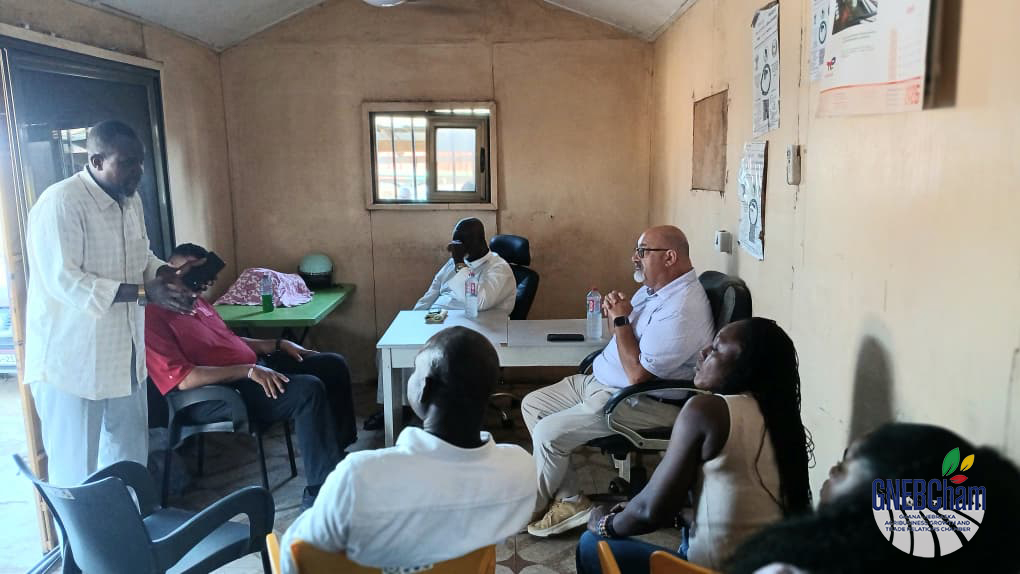
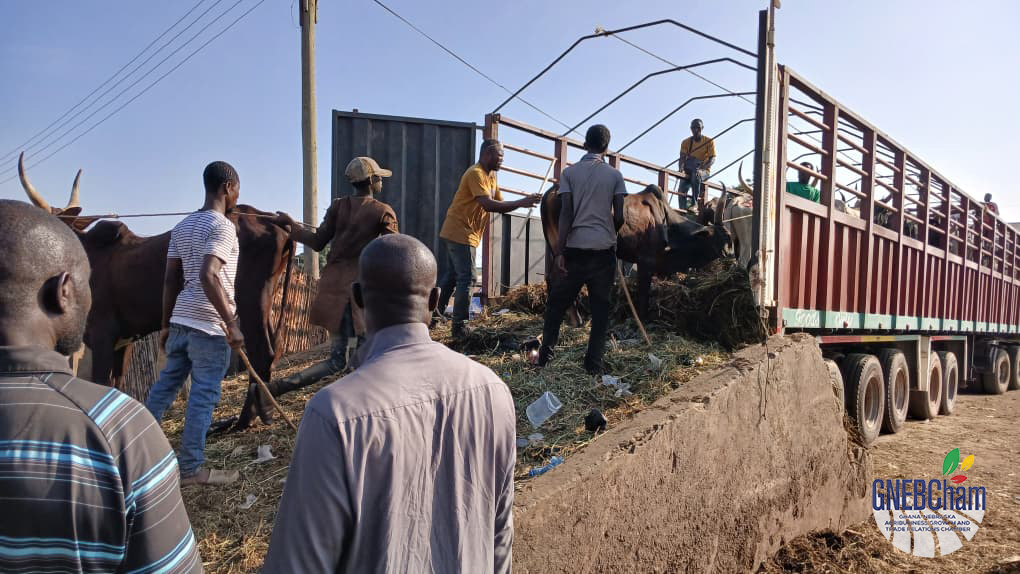
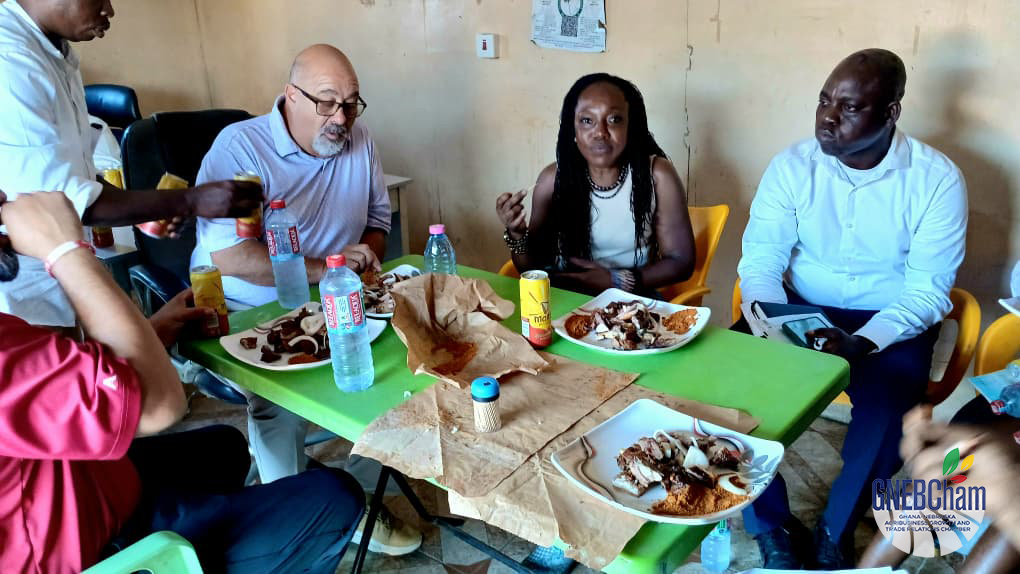
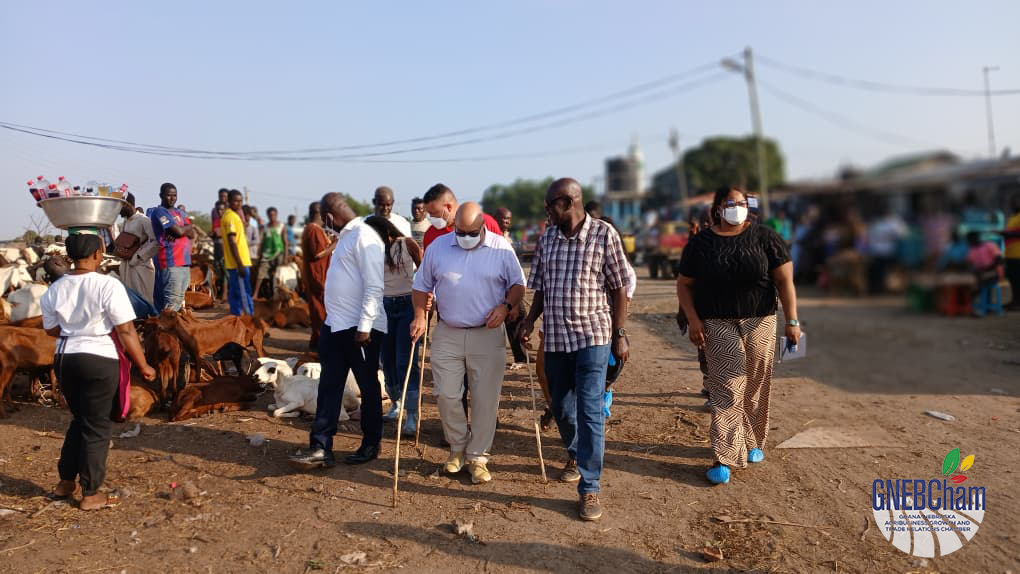
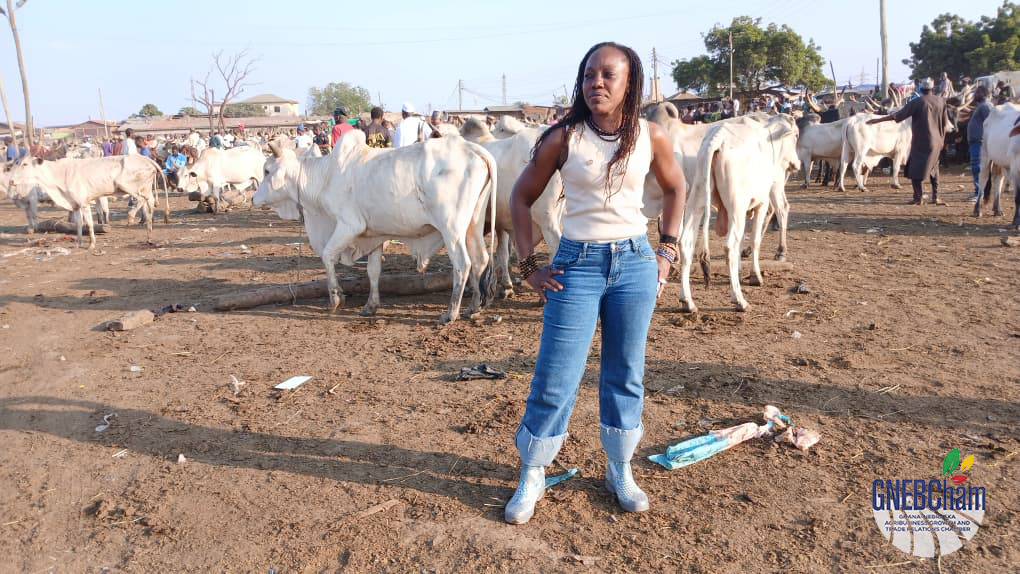
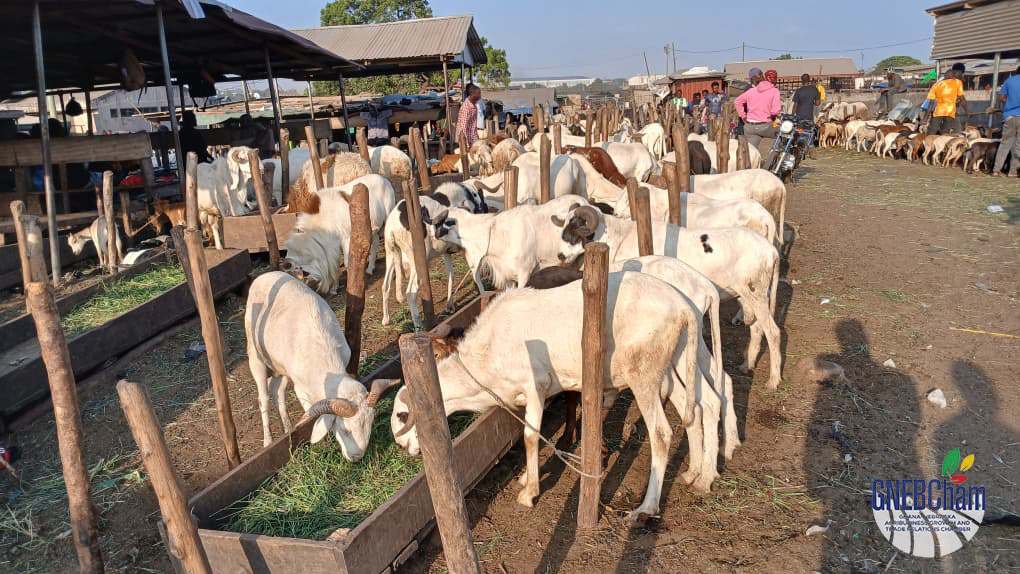
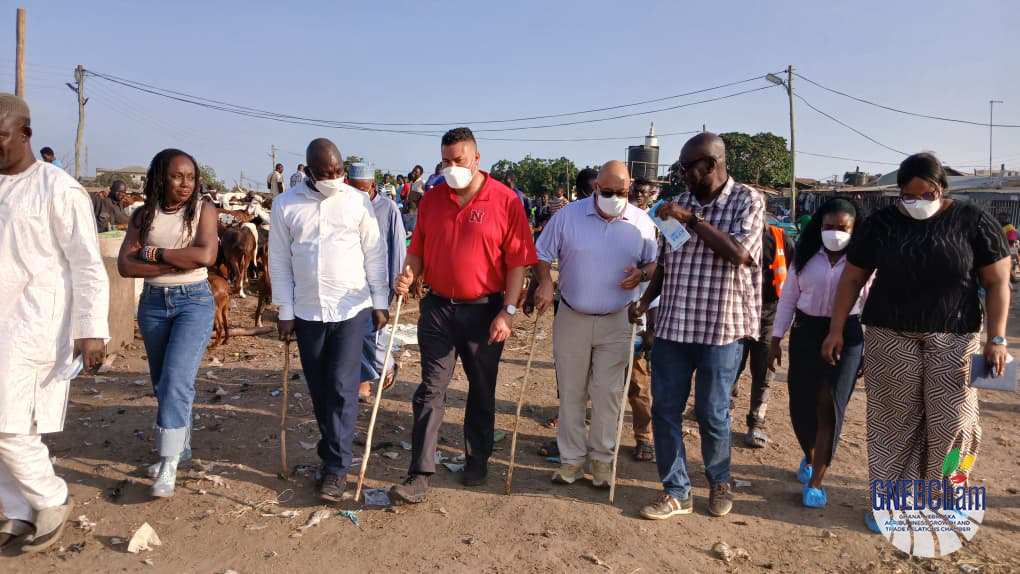
One of the key areas receiving attention is the Ashaiman-Tulaku Livestock Market, a major livestock trading centre in Ghana. Following the signing and sealing of the 10-year agreement in Nebraska, former Nebraska State Senators Ken Schilz and Senator Justin Wayne visited the market to engage stakeholders and explore practical ways to advance its modernization.
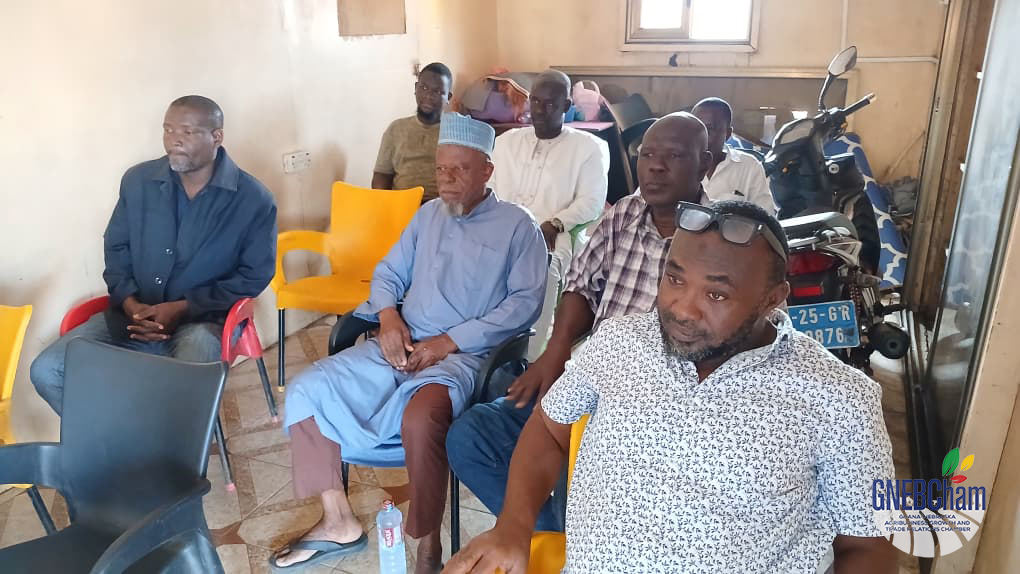
The engagement, together with GNEBCham Co-Founder Alberta Nana Akyaa Akosa, brought the delegation into direct discussions with livestock traders and industry stakeholders, including Alhaji Akakade Moro, President of the Ghana National Livestock Breeders and Traders Association, on the current situation at Tulaku and the opportunities for improvement.
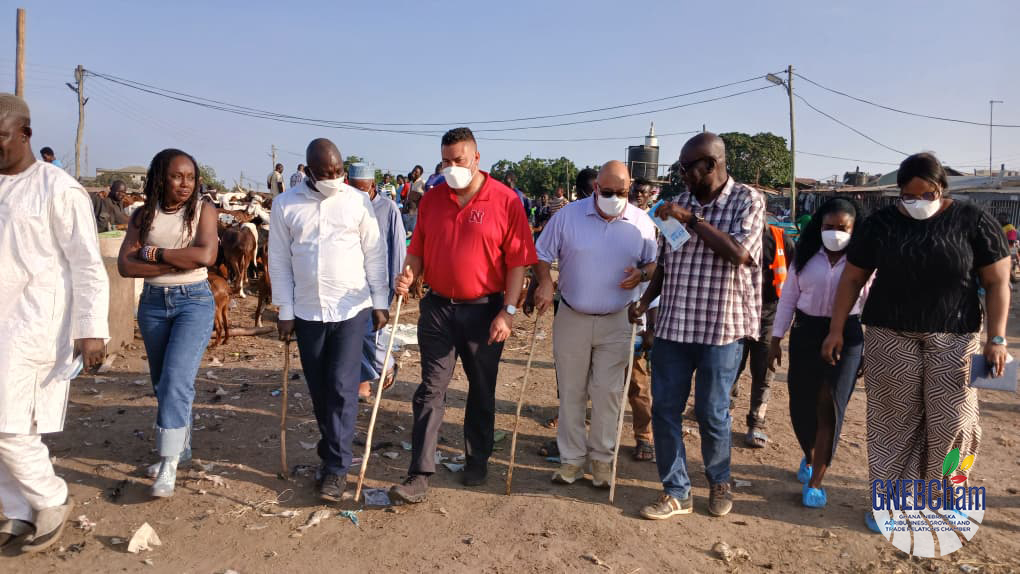
The discussions focused on the need for better market facilities, improved animal handling, proper record keeping, livestock identification and tracking, stronger market systems and better connections between farmers, traders, processors and consumers.
The goal is to move Tulaku beyond its traditional role as a livestock trading centre and develop it into a modern, organized and efficient livestock hub that can support the growth of Ghana’s livestock industry.
Modernizing the market could bring benefits across the wider value chain. Farmers could gain better access to markets, traders could operate in improved conditions, processors could have stronger access to livestock and investors could find new opportunities in areas such as transportation, animal health, feed production, processing, storage and distribution.
The modernization of Tulaku is part of a wider vision under the 10-year Ghana–Nebraska Agricultural Cooperation Agreement, which provides a framework for cooperation in livestock modernization, dairy development, agricultural infrastructure, workforce training, academic exchange, climate-resilient agriculture and agribusiness investment.
The partnership has also identified a number of priority initiatives that can support the development of Ghana’s livestock sector. These include the proposed Amrahia Dairy Processing Center, livestock traceability systems, demonstration dairy farms, technical training hubs and expanded feed and grazing infrastructure.
Together, these initiatives are designed to strengthen the entire livestock value chain, from production and animal management to markets, processing and distribution.
The visit to Tulaku also reflects the broader approach of the Ghana–Nebraska partnership: learning from Nebraska’s experience while developing solutions that respond to Ghana’s own needs and opportunities.
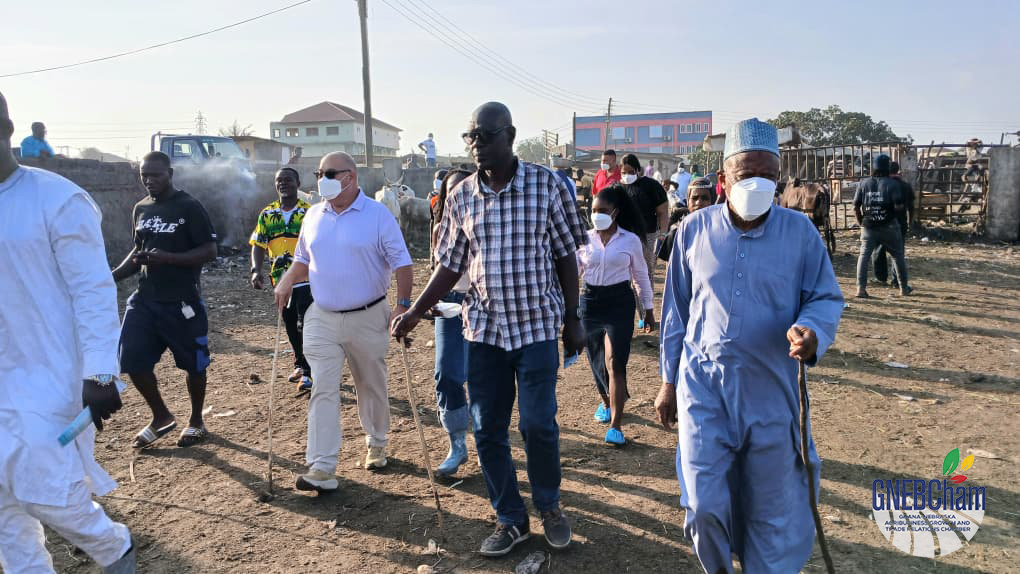
Nebraska has a strong livestock and agricultural economy, supported by production, processing, research, education, technology and private-sector investment. The partnership provides an opportunity for Ghanaian stakeholders to learn from these systems and adapt relevant approaches to strengthen Ghana’s livestock industry.
For Ghana, the opportunity goes beyond modernizing one market. A better livestock system can support farmers, improve animal health, strengthen food safety, create jobs, attract investment, increase local processing and improve the supply of meat and dairy products.
It can also help Ghana retain more value within the country by developing stronger industries around livestock rather than focusing mainly on the production and trading of live animals.
The proposed development of modern livestock processing facilities is therefore an important part of the wider conversation. Linking improved markets such as Tulaku with efficient processing, cold-chain systems and reliable distribution can help create a stronger connection between livestock producers and consumers.
The partnership also creates opportunities for workforce development and knowledge transfer. Training farmers, traders, processors, technicians and young people will be important to ensuring that new infrastructure and technologies are properly used and sustained.
For stakeholders at Tulaku, the focus is therefore not simply on constructing new facilities. It is about building a livestock market that works better, uses better systems and creates greater opportunities for everyone involved.
The Ghana–Nebraska Agricultural Partnership is providing a long-term platform to pursue these goals. With the agreement already signed and priority projects identified, the next important step is implementation turning plans into projects, investments and measurable results.
The modernization of Tulaku could become an important example of what this partnership can achieve: stronger markets, better opportunities for farmers and traders, increased investment, more jobs, improved food security and a more competitive livestock industry.
Ultimately, the vision is to build a livestock sector that can support Ghana’s agricultural transformation and contribute meaningfully to national economic growth.
From the agreement signed in Nebraska to action at Tulaku, the Ghana–Nebraska partnership is beginning to turn cooperation into practical development.